AI inside your product
Add a focused feature to an existing application: turn information into a draft, guide a user through a task, or generate structured feedback. Keep it connected to the customer’s account and permissions.
AI integration & automation
Give your team a useful next step: a document ready to review, a conversation that helps someone practise, or a product feature customers return to. We design and build AI integrations around the work they need to do.
A London software studio working with founders, product teams and growing businesses across the UK.
We find the point where AI can help, connect it to the systems you use, and make the result usable by the people doing the work.
Add a focused feature to an existing application: turn information into a draft, guide a user through a task, or generate structured feedback. Keep it connected to the customer’s account and permissions.
Build a conversation into a web product, with the controls around it: session history, useful feedback, clear usage limits and a way to recover when the connection drops.
Help a team extract, organise or summarise information before a person reviews it. We agree what can be automated, what needs approval and where the finished work should go.
Explore the actual products and the decisions behind them.
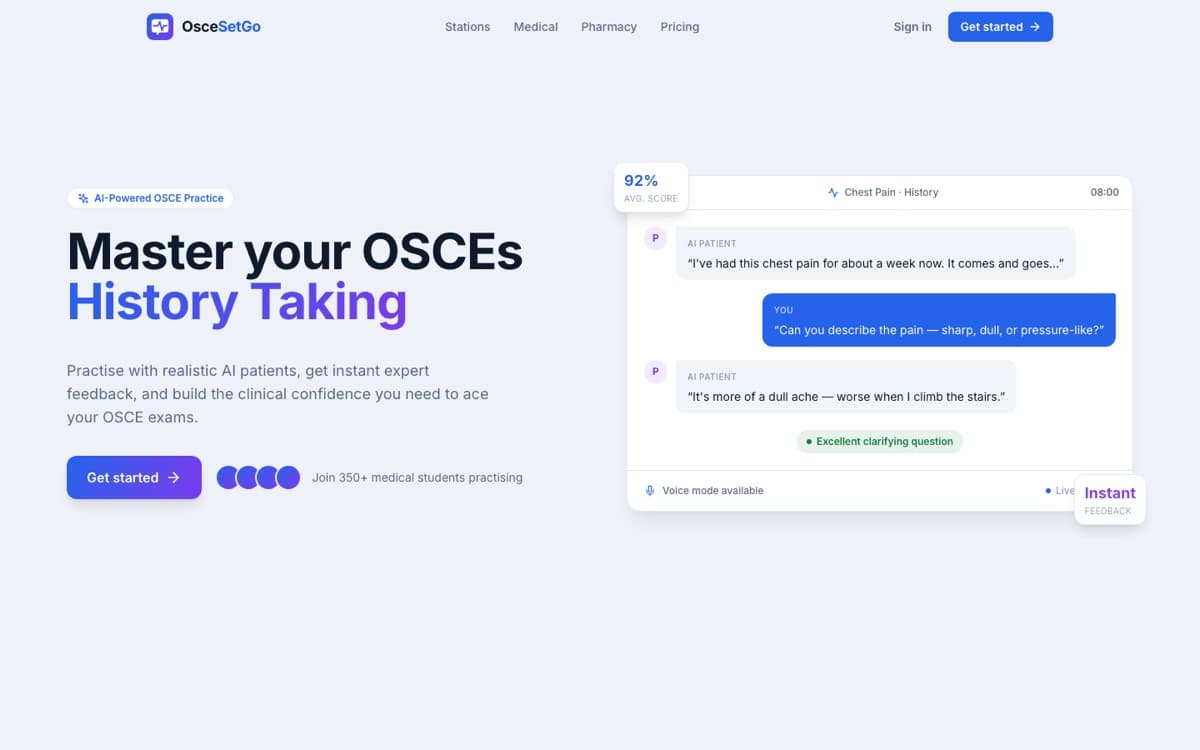
OsceSetGo Live — paying users
OsceSetGo lets students practise with an AI patient and receive structured feedback. We built the voice experience, practice history, subscriptions and usage limits. The product is live with paying users.
Read the case study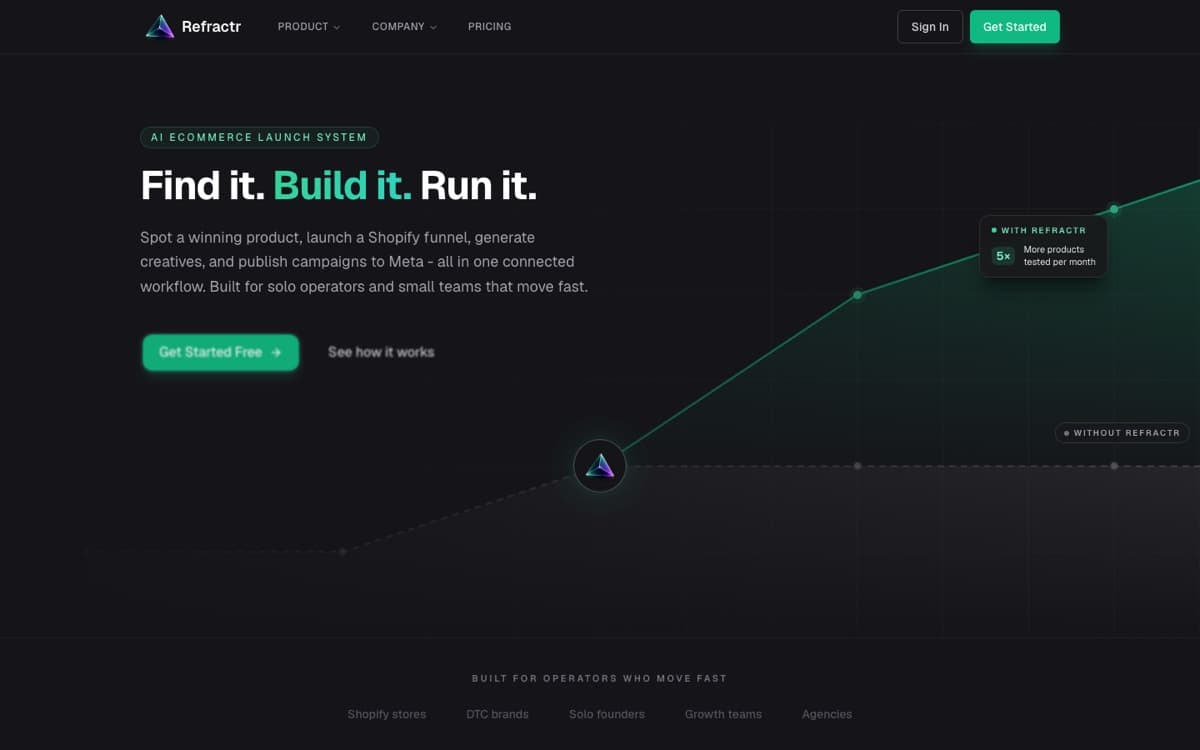
Refractr AI Live
Refractr AI combines an ad library, product-validation information and AI-generated strategy briefs. Third-party data enrichment and credit-based billing sit behind the experience.
Read the case studyReview the workflow, available information and a representative set of examples. Define what a useful result looks like and where people need control.
Try the difficult cases early. Compare output quality, response time and running cost before committing to a larger rollout.
Connect the feature to your application, permissions and day-to-day workflow. Review working software together in weekly demos.
Agree usage limits, error handling and how results will be monitored. Document the setup and decide what support makes sense after launch.
A few things worth knowing.
Yes. We start by reviewing the application, access to its data and the team responsible for it. That gives us a sensible boundary for the integration and a clear plan for working together.
The scope depends on the workflow, data, integrations and level of review required. After an initial conversation, we propose a defined first stage with a written cost. Ongoing model and hosting costs are considered separately.
We establish what information may be used, which providers are appropriate and who must approve results. Where specialist security, clinical or regulatory review is needed, we agree that responsibility before building.
Our notes on usage costs, structured results and choosing a useful first feature.
Tell us about the task, the product or tools around it, and what a better result would look like. We’ll discuss a practical first scope.