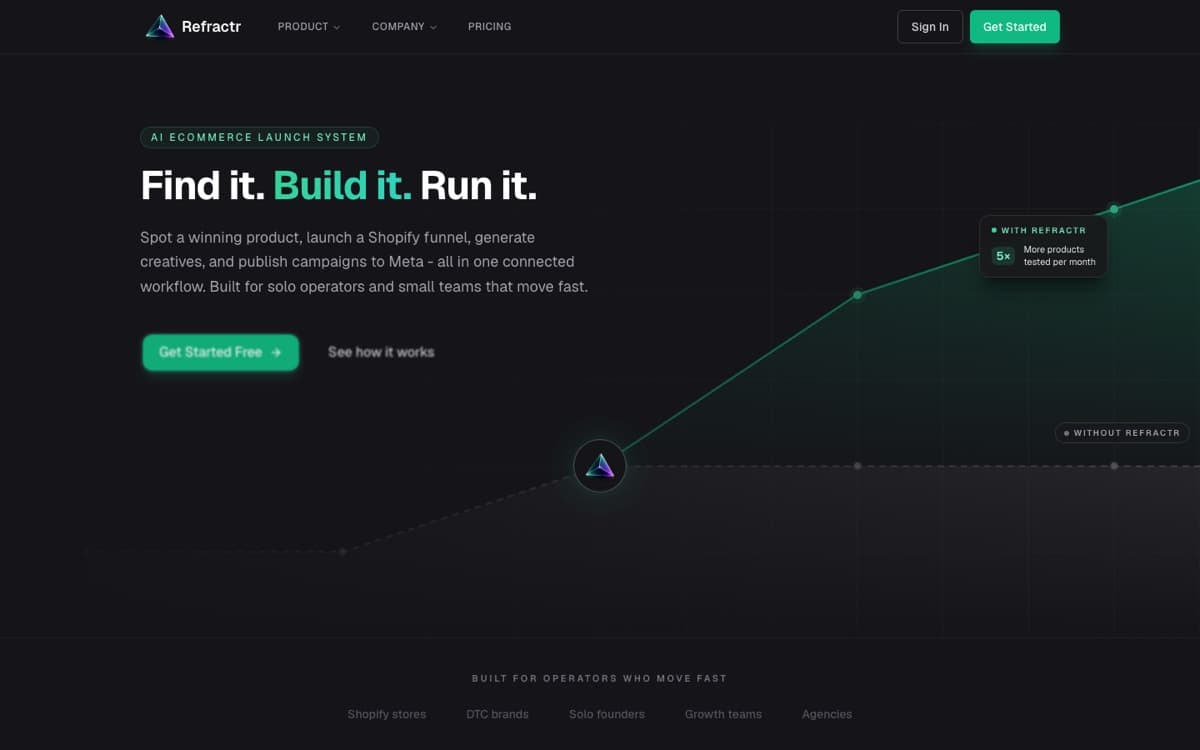
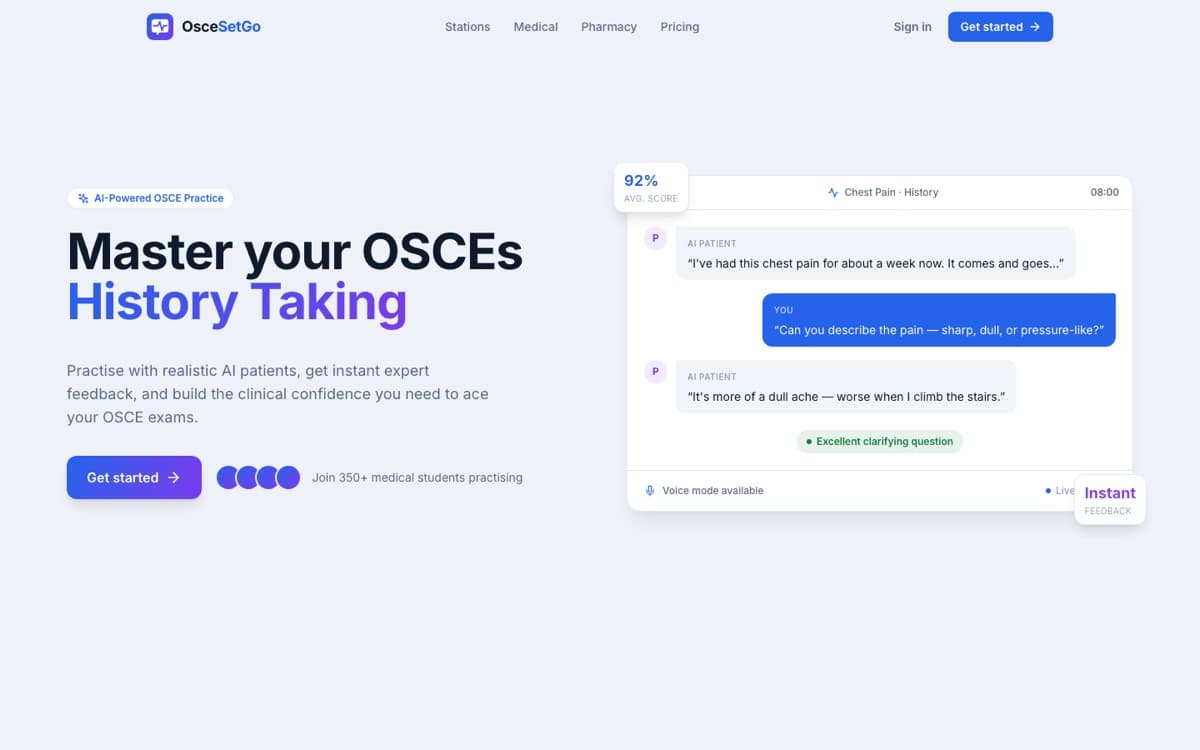
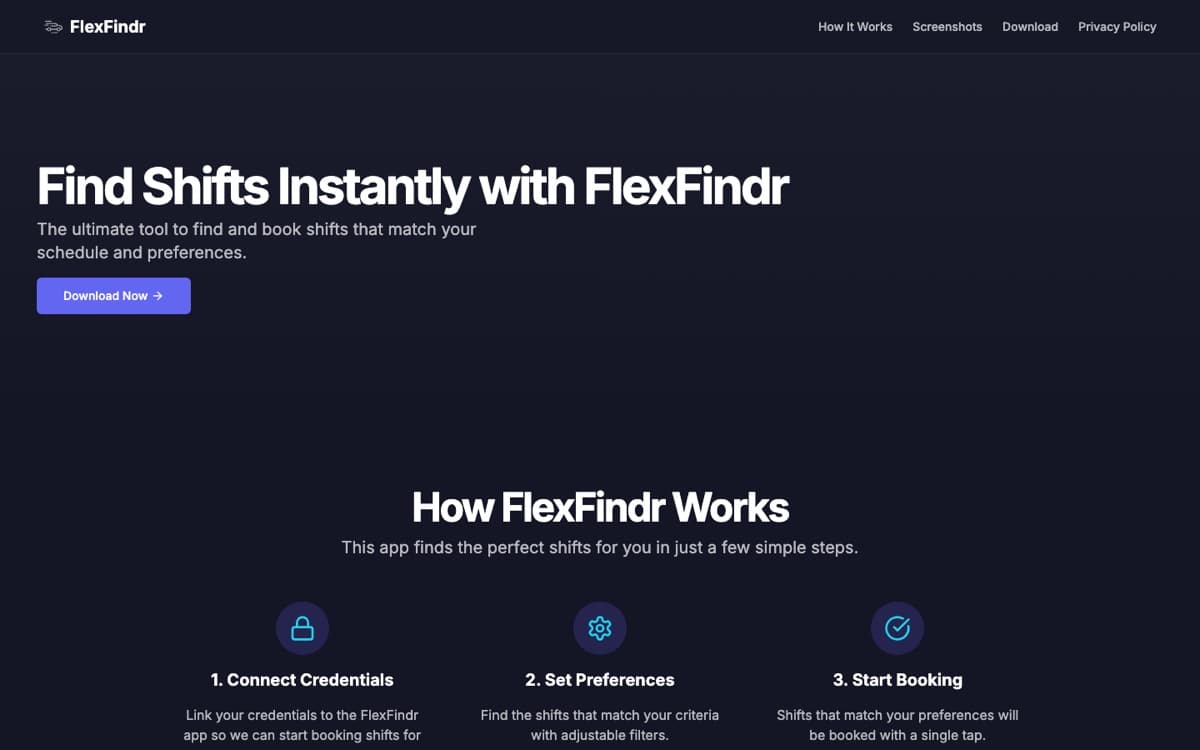
We take on contract builds for companies that need production software shipped: web applications, mobile apps, AI features and multi-sided platforms. One senior team from first scope call to running product.
(01)
What we take on
Service areas
Four kinds of build. Under each, what it typically includes — and the products it has already been done in.
01
Web applications
Complete web products on Next.js and React — the public site, the logged-in application, the API and the data model underneath. We take builds from first commit to production traffic.
Mobile apps built with React Native and Expo, with shared backends, release preparation and updates after launch. Explore our released iOS app and the instructor app being prepared for launch below.
AI that answers phones, processes documents and works inside your product — engineered like product, not demo, with usage metering and cost controls designed in from the start. We run real-time voice AI and LLM features in production, in our own products.
Two-sided platforms and subscription products: onboarding for both sides of the market, matching, and the payment machinery underneath — platform fees, payouts and billing.
A distinctive storefront, Stripe payments, subscription options and practical store tools. Explore the HairKhair build and how we scope a commerce project.
The parts users never see decide whether software survives contact with production. These are the same on every engagement.
01
Authentication, not hand-rolled
Identity runs on managed auth providers with proven implementations — sessions, password reset, social sign-in, multi-factor — and authorisation is enforced at the database layer with row-level security, not just hidden in the interface.
02
Data handled like it matters
Postgres at the core. Schema migrations under version control, automated backups, and strict separation between development, staging and production environments.
03
Payments with the risk where it belongs
Billing runs through Stripe, so card data never touches infrastructure we operate and PCI scope stays with the payment processor. Subscriptions, metering, platform fees and invoicing sit on those audited primitives.
04
Typed, reviewed, deployed continuously
TypeScript across the stack, review before merge, and continuous deployment with preview environments — the version demonstrated at the weekly demo is the version that ships.
05
Secrets and access, least privilege
Credentials live in managed secret stores, service keys get the minimum access they need, and admin access is scoped per person — the boring hygiene that prevents the exciting incidents.
The toolkit
Every name here is in a shipped product — nothing aspirational.